
Why Solid Perfume Is Suddenly Everywhere
From Tamburins to Diptyque, beauty brands are rethinking fragrance for the attention economy.

More than 6,000 new perfumes now launch globally every year, according to industry estimates. This is more than double the number seen before the pandemic. The fragrance market has become one of beauty’s fastest-growing sectors, fueled by TikTok virality, Gen Z’s obsession with “fragrance wardrobes,” and consumers increasingly treating scent as an extension of identity rather than a once-a-day grooming step.
But as the category explodes, a paradox has emerged: perfume risks becoming invisible again.
Walk into Sephora or scroll through #PerfumeTok and the sheer volume is overwhelming. Celebrity launches, niche labels, heritage revivals, oud collections, gourmand waves, “clean girl” scents, “vanilla girl” scents, “skin scents.” Bottles blur together. Marketing language repeats itself. Every fragrance promises memory, intimacy, sensuality, escapism.
In response, brands are increasingly turning toward a once-niche format that feels surprisingly suited to the current moment: solid perfume.
From Icelandic Fischersund to indie labels like Tenth Muse, Tamburins and Space of Time Perfume, as well as mass-market players like Sol de Janeiro, solid fragrances are quietly moving from novelty category into strategic growth opportunity. Luxury houses including Diptyque, Le Labo, Byredo, and Dior have also expanded their portable fragrance offerings, while Asian beauty and fragrance brands, particularly in South Korea and China, have helped redefine fragrance as a collectible design object rather than merely a beauty product.


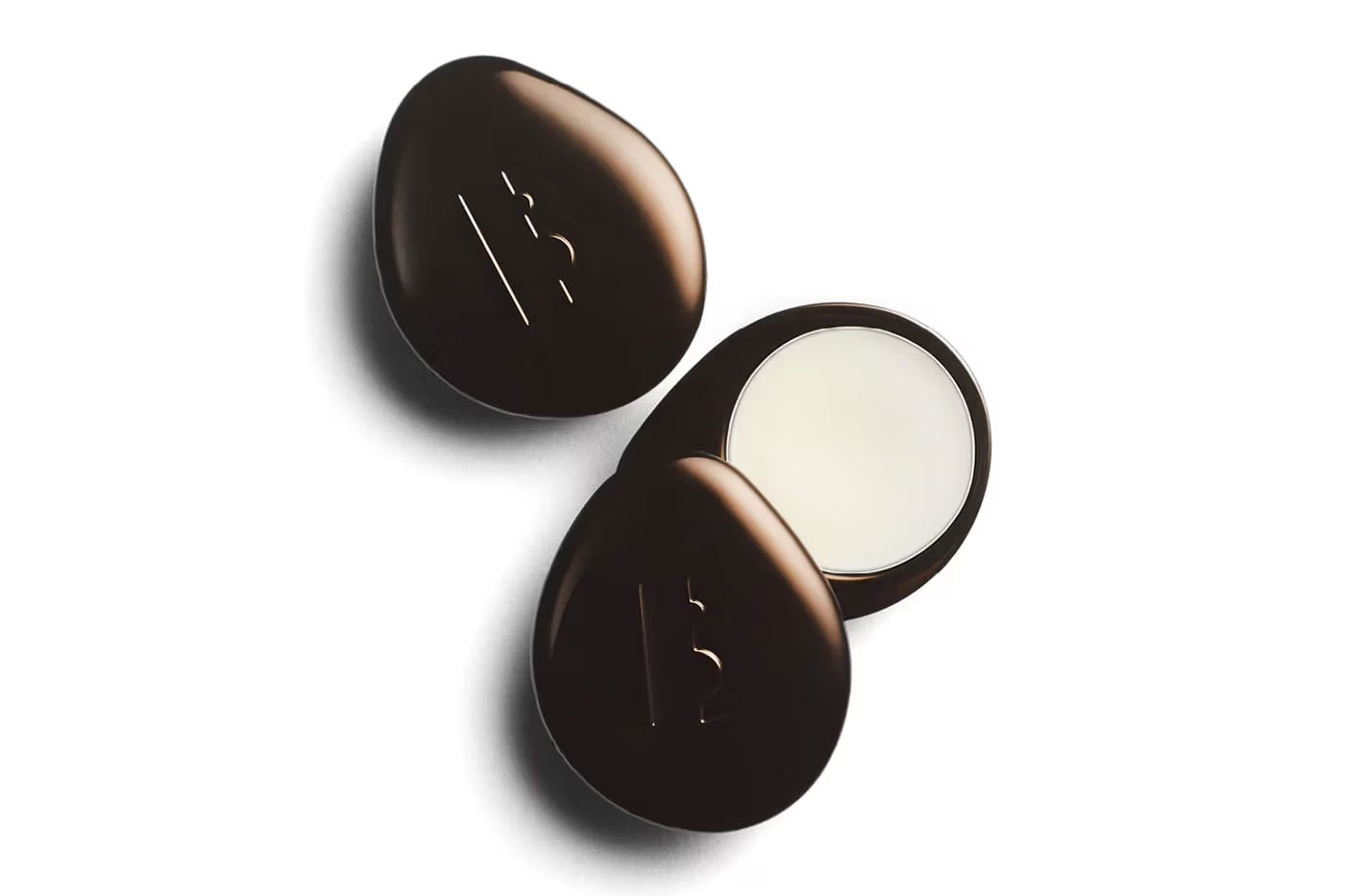


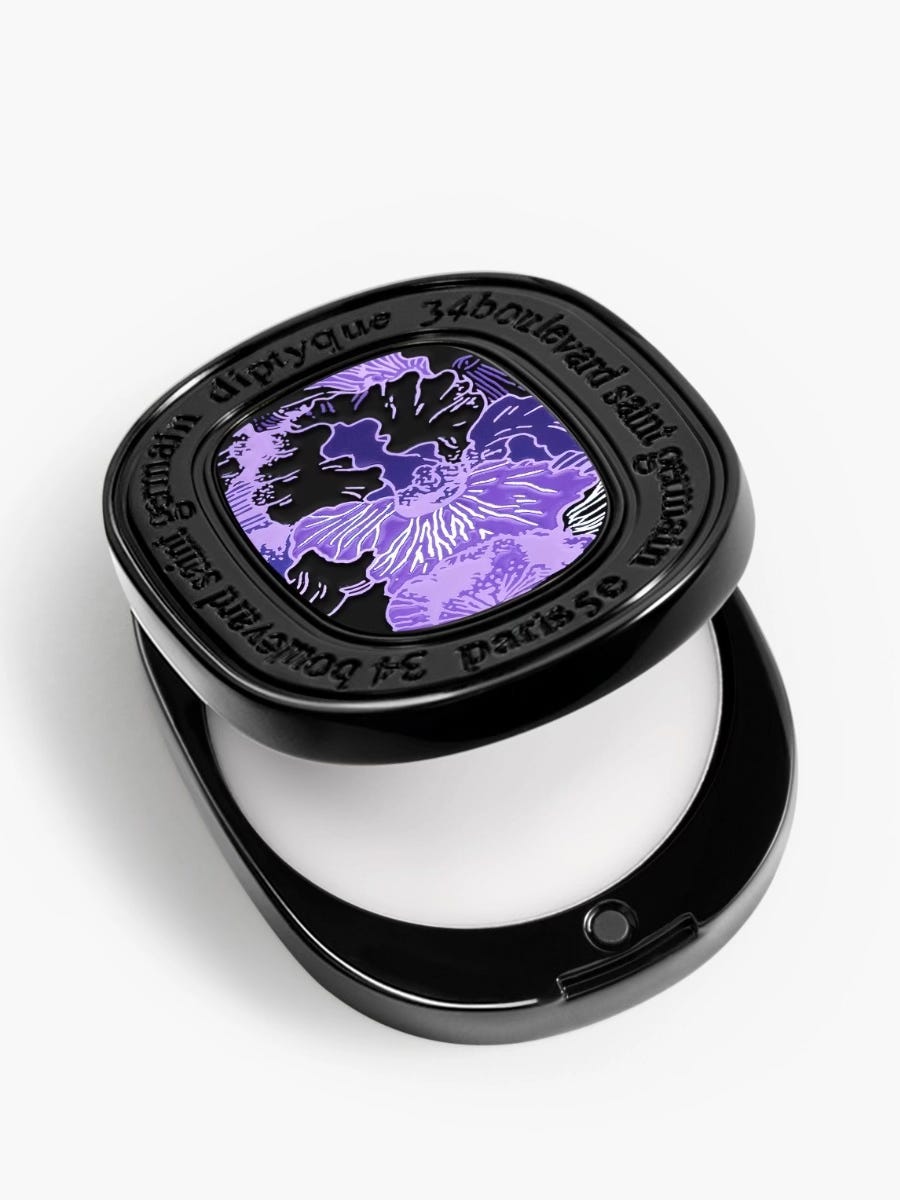
What makes solid perfume compelling today is not simply nostalgia or convenience. The format solves several modern beauty problems simultaneously. It is portable, photogenic, tactile, giftable, and easier to collect in multiples. Most importantly, it transforms fragrance from something largely invisible into something visually legible for the social media era.
In many ways, solid perfume feels less like traditional fragrance and more like an accessory category.
From Signature Scents to Fragrance Wardrobes
For decades, perfume marketing revolved around the idea of the “signature scent.” Consumers were encouraged to find one fragrance that represented them: a fixed olfactory identity tied to aspiration and status.
Today’s consumers, especially Gen Z, approach fragrance more fluidly. Instead of owning one scent, many curate wardrobes of perfumes depending on mood, season, aesthetics, social settings, or even online identity. Fragrance consumption increasingly resembles styling.
TikTok accelerated this shift dramatically. Rather than emphasizing technical fragrance knowledge, social media transformed perfume into emotional shorthand. Scents are now described through vibes, interiors, films, weather, fictional characters, or imagined lifestyles.
Maison Margiela’s Replica line became one of the clearest examples of this phenomenon. Rather than selling perfume through traditional luxury messaging, the brand sold bottled memories: Lazy Sunday Morning, Jazz Club, By the Fireplace. The fragrances became instantly communicable online because consumers were not simply buying sandalwood or vanilla. They were buying narratives and moods.
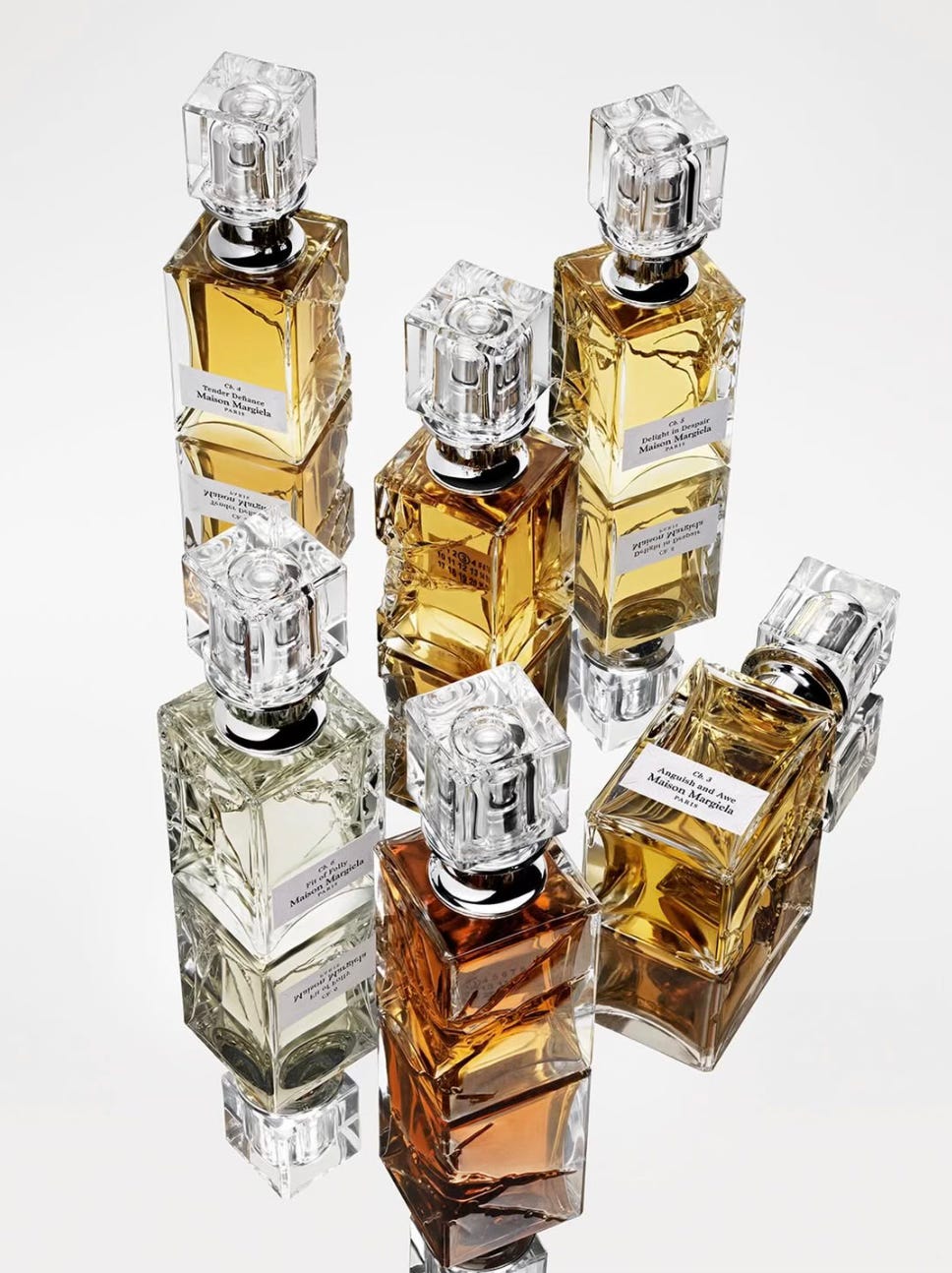
Solid perfume fits naturally into this behavioral shift because it lowers both financial and psychological commitment. Consumers are often more willing to purchase several smaller-format fragrances than invest in one large bottle. The compact format also encourages layering and experimentation, reinforcing the broader movement away from rigid fragrance loyalty.
In this environment, fragrance starts to resemble cosmetics more than traditional luxury perfume. Like lip products or nail polish, scents become rotational, collectible, and tied to daily self-styling rituals.
That shift has significant implications for brands. The challenge is no longer simply creating a good fragrance. It is creating an object consumers want to carry, display, photograph, and reapply throughout the day.
Perfume as Object
One reason solid perfumes resonate now is because they restore physicality to fragrance. Traditional perfume is inherently intangible. The bottle may sit beautifully on a vanity, but the product itself disappears into air seconds after spraying. Solid perfumes, by contrast, foreground touch, ritual, and object permanence.
The user opens a compact, applies the fragrance directly onto skin, then slips the object back into a pocket or handbag. The format feels slower, more deliberate, and more personal than spraying perfume into the air.
The rise of social commerce has transformed packaging from secondary consideration into primary marketing channel. Beauty products are now expected to function as visual content. The object itself increasingly determines whether consumers share it online. Solid perfume is particularly well suited to this environment because the format allows brands far greater design freedom than conventional fragrance bottles. Compacts can resemble jewelry cases, vintage cigarette holders, tech accessories, charms, stones, or sculptural makeup objects.
I realized this recently after buying an Officine Universelle Buly lip balm engraved with my initials, despite owning lip products (Laneige lip sleeping mask IYKYK), I arguably prefer functionally. The appeal had little to do with utility. I wanted the object itself.
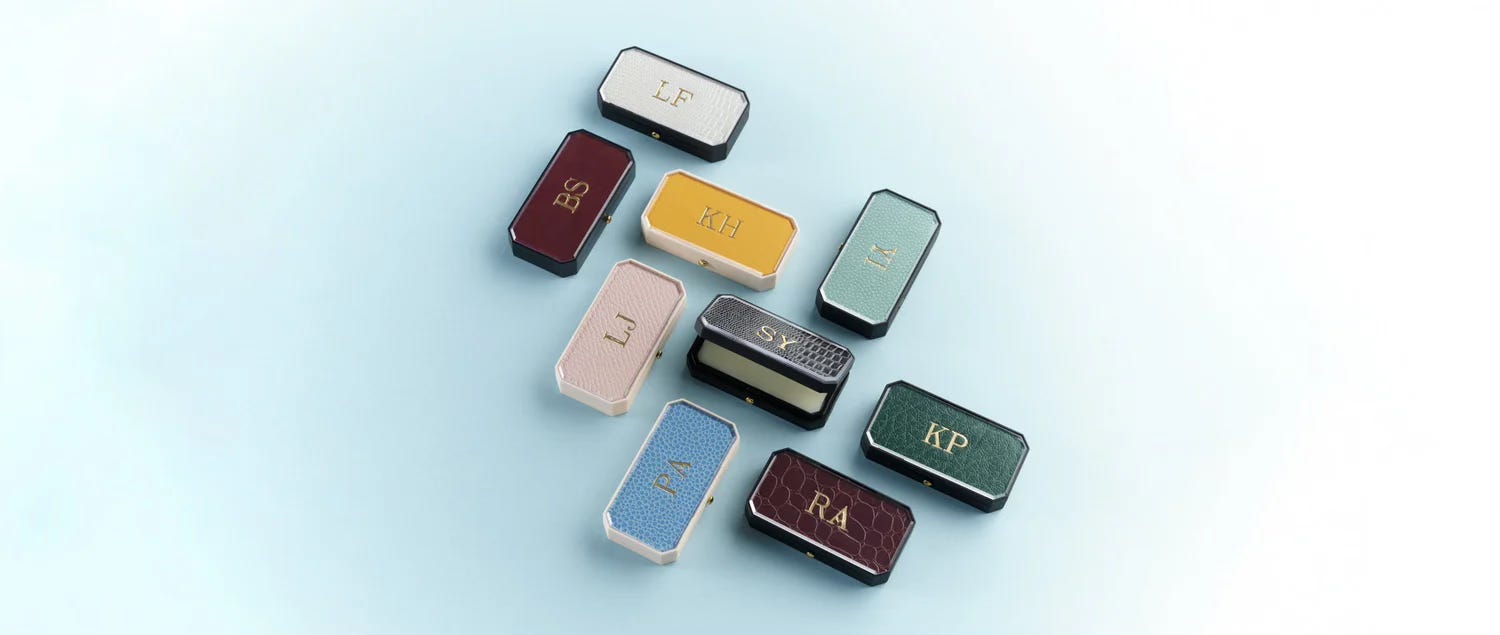
That increasingly describes beauty consumption more broadly. Consumers are not simply buying formulas anymore. They are buying artifacts that communicate taste, identity, and aesthetic alignment.
This also helps explain why many of the most interesting fragrance brands today increasingly operate more like design studios than traditional beauty companies.
Few brands illustrate this better than Tamburins, the fragrance and skincare label created by South Korean company IICOMBINED, which also owns Gentle Monster. Tamburins understands that younger luxury consumers increasingly seek immersion, visual storytelling, and collectible experiences rather than simply products.
Its stores resemble surreal art installations. Packaging feels sculptural and intentionally strange. Products are designed to circulate online as much as they are designed to be used. In many cases, consumers encounter the aesthetic universe before they even encounter the scent itself.
Solid perfume naturally fits this ecosystem because the format itself behaves like a collectible object.
That distinction matters because fragrance is no longer competing only with other fragrances. It is competing with fashion accessories, makeup packaging, home decor, and even consumer tech for attention within the visual economy of social media.
Fragrance in the Attention Economy
The explosion of fragrance launches has created unprecedented competition for consumer attention. In earlier decades, perfume launches were relatively rare cultural events supported by large advertising budgets and celebrity campaigns. Today, the barriers to entry are lower, niche perfumery has exploded, and social media continuously accelerates trend cycles.
Consumers are overwhelmed by endless recommendations, dupe culture, ranking videos, and algorithmically amplified hype cycles. Fragrance trends now rise and collapse at extraordinary speed. Brands therefore need new mechanisms to stand out.
Packaging has become one of the industry’s most effective tools because scent itself cannot be transmitted digitally. Consumers first encounter fragrance through images, videos, retail environments, storytelling, and online discourse long before they ever smell the product. This is precisely where solid perfume excels.
Unlike traditional fragrance bottles, solid perfumes create highly visual and easily filmable rituals. The compact itself becomes part of the appeal. The product sits beside coffee cups, handbags, books, keyboards, or airplane trays. It integrates naturally into the aesthetics of everyday life and short-form content culture.
In this sense, solid perfume is almost optimized for social media. It transforms fragrance, traditionally one of beauty’s hardest categories to communicate digitally, into something visually demonstrable.
This also helps explain why many fragrance brands increasingly blur the line between beauty, fashion, and lifestyle merchandising.
Fischersund, for example, approaches scent through art, music, and Nordic storytelling rather than conventional luxury fragrance marketing. Similarly, brands like Space of Time Perfume and Tenth Muse lean heavily into emotionally coded aesthetics and minimalist design languages that resonate strongly online.
Even mass-market players are adapting. Sol de Janeiro’s viral success came not only from fragrance itself, but from understanding how younger consumers use scent as visible identity signaling.
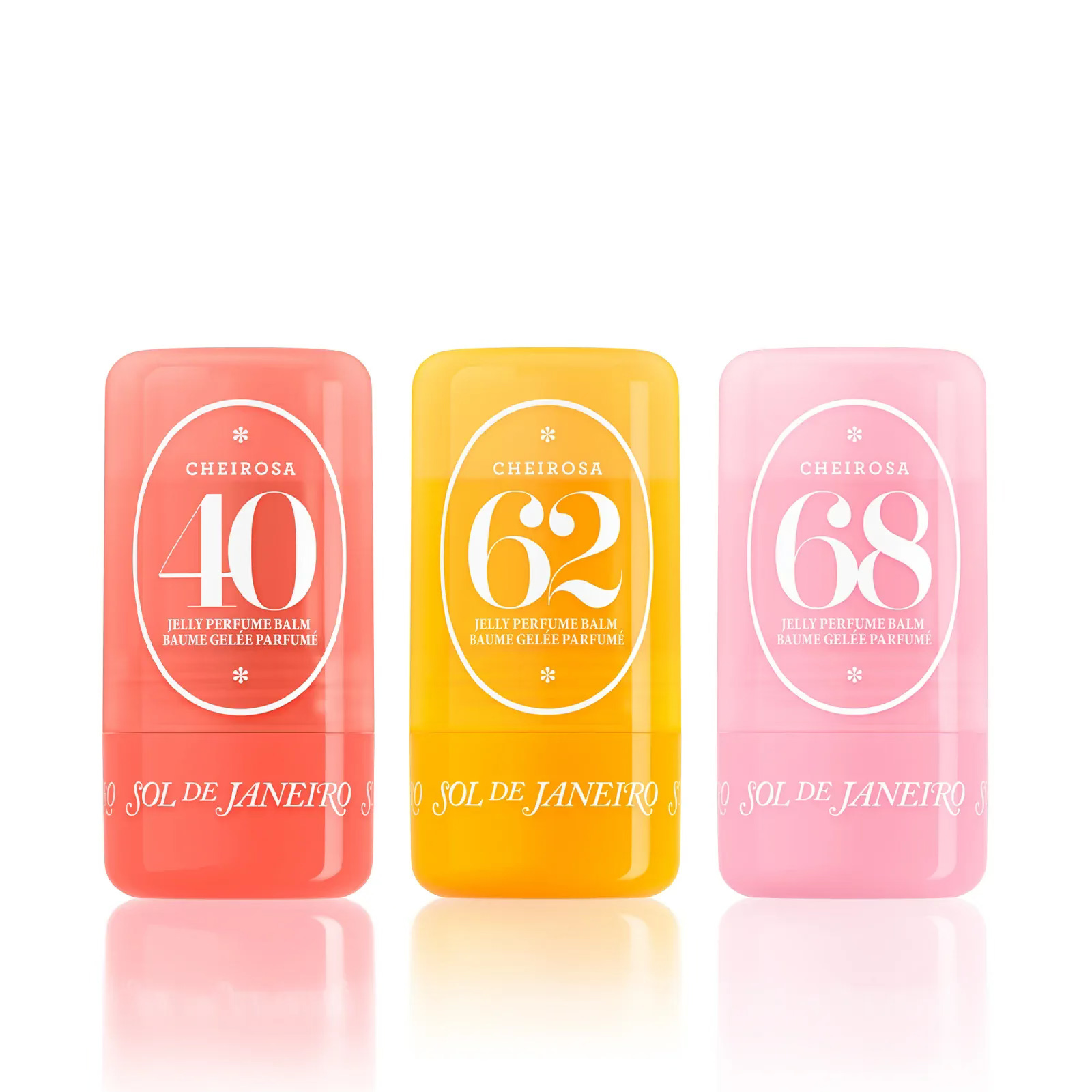
The future of fragrance marketing may increasingly depend less on technical perfumery expertise and more on building emotionally immersive aesthetic worlds.
Beyond Nostalgia
At first glance, solid perfume might appear cyclical: another vintage beauty format revived for modern consumers. But its resurgence is less about nostalgia than structural change.
Solid perfumes align unusually well with how younger consumers increasingly engage with beauty products. They are easier to collect, easier to gift, easier to carry, and easier to integrate into daily routines. More importantly, they satisfy the growing expectation that beauty products should function simultaneously as utility, accessory, collectible, and content object.
This is why the format is appearing across both indie and luxury segments.
For emerging brands, solid perfumes offer a way to create strong visual identity and encourage repeat purchases. For larger companies, they provide category expansion opportunities within an increasingly crowded fragrance market.
The format also aligns with broader shifts toward quieter, more intimate forms of luxury consumption. Consumers increasingly gravitate toward products that feel personal rather than overtly performative. The popularity of skin scents, musks, and “your skin but better” fragrances reflects the same movement.
Solid perfume fits naturally into this landscape because it feels subtle, tactile, and emotionally grounded.
More importantly, it allows fragrance to evolve from invisible consumable into visible personal object.
The Future of Fragrance May Be Smaller
Solid perfume is unlikely to replace traditional fragrance bottles entirely. Atomizers still dominate prestige perfumery, and spray application remains central to how consumers experience scent.
But the rise of solid formats signals something larger happening within beauty.
Consumers no longer want fragrance to remain hidden on bathroom shelves. They want products that integrate seamlessly into daily movement, visual identity, and digital self-presentation.
In an era defined by fragrance overload, portability, and endless content production, solid perfume offers brands a rare combination of practicality and emotional resonance.
It transforms scent into something consumers can not only smell, but also carry, display, collect, and share.
Great piece, really complete! I think solid fragrances are going to continue to grow thanks to the rise of layering. Solids are landing at exactly the right moment, when consumers are building their fragrance routines. It fits so well at the intersection of key fragrance trends like layering and power fragrances.