
Stòffa
A blueprint for building a legacy brand in modern menswear.
Lately, I’ve been writing a lot about Japanese and Korean brands. But this time, I’m pivoting westward—to a brand that I get a lot of styling inspiration from: Stòffa.
In a menswear landscape dominated by relentless product releases and the ever-shifting cast of social media tastemakers, Stòffa feels like a breath of fresh, unhurried air. It's a brand that doesn’t clamor for attention—it earns it, piece by piece, conversation by conversation. Where others race to keep up with trend cycles, Stòffa stays rooted, evolving at its own pace. And that, perhaps, is what makes it feel so modern: its refusal to be rushed.
If memory serves, I first came across Stòffa through a post by Aaron Levine. I’ve been tracking them ever since. While I haven’t yet pulled the trigger on a purchase, the brand sits near the top of my wish list. Why? Because they combine old-world craftsmanship and modern sensibility in a way that feels deeply considered—not just stylish.
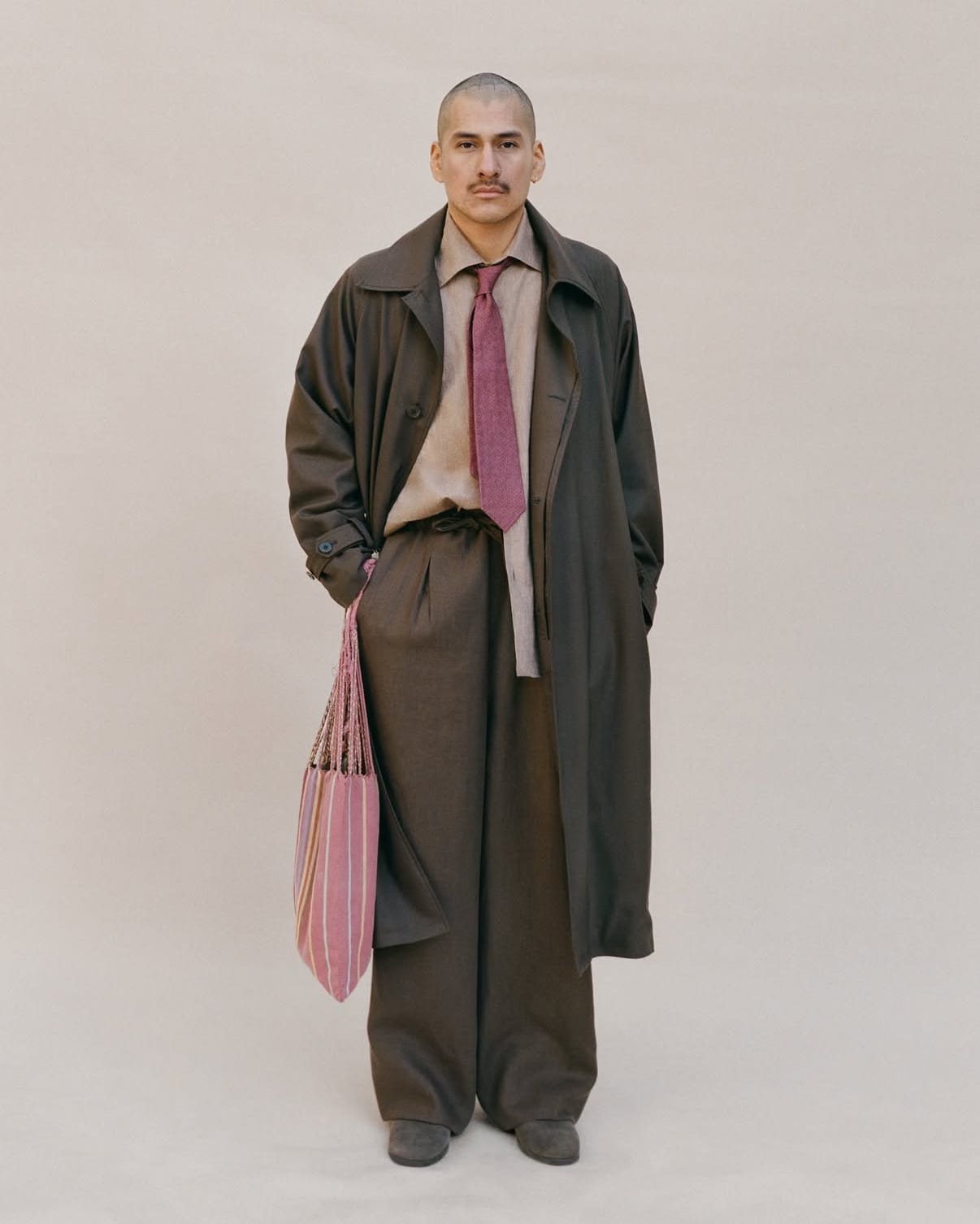
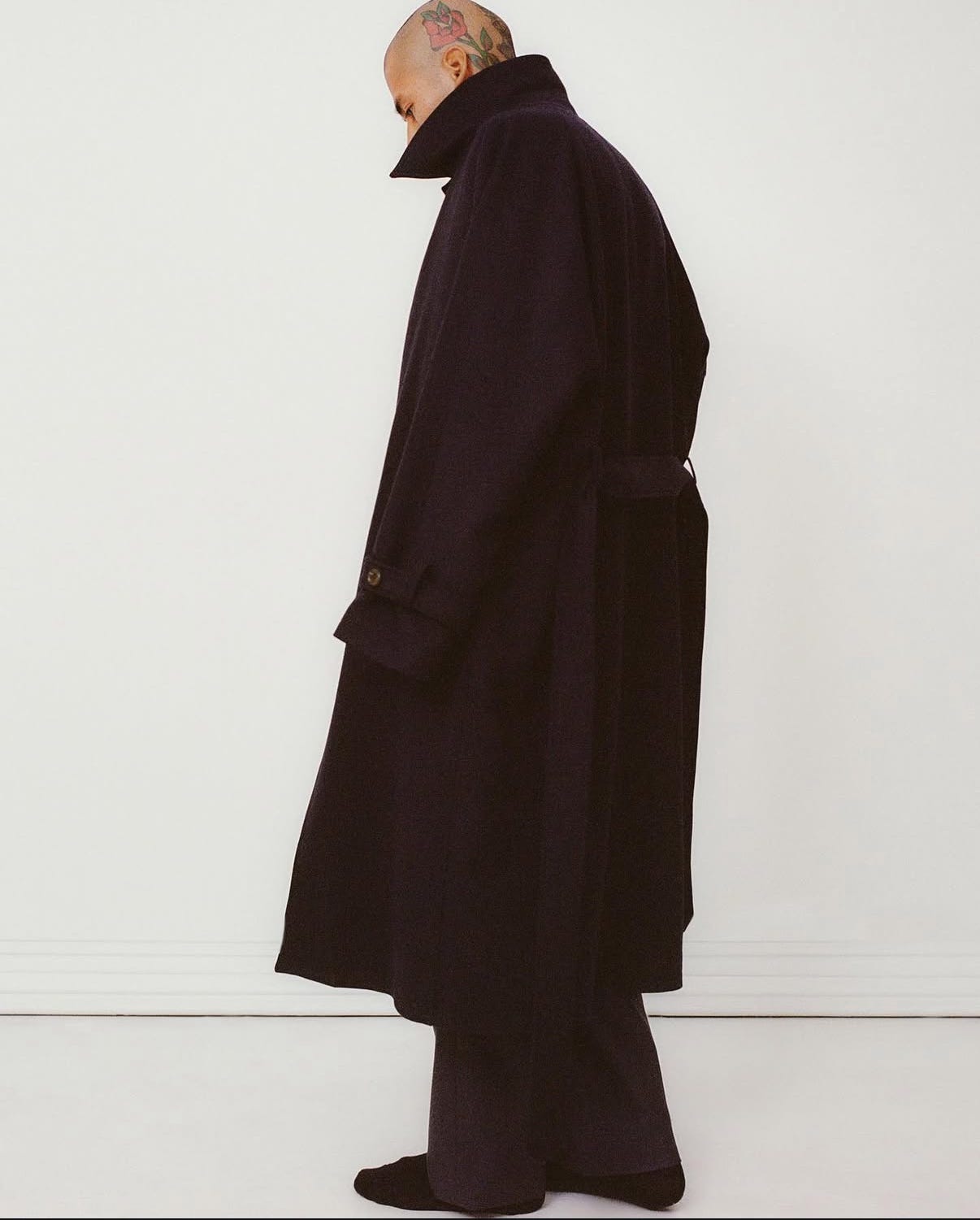
Backstory
Stòffa was born in 2014 out of a desire to do things differently in fashion’s fast-paced world. Co-founders Agyesh Madan and Nicholas Ragosta met while working at Isaia, a venerable Neapolitan tailoring house, where they were churning out up to seven collections a year. Both men shared a “reverence for materials” – fittingly, stòffa means “fabric” or “cloth” in Italian – and a conviction that menswear could be done in a more intentional, slow manner. Madan had been a product developer at Isaia, and Ragosta ran Isaia’s made-to-measure program before overseeing wholesale at respected menswear boutiques like The Armoury. This deep experience gave them the know-how and the frustration that fueled Stòffa’s founding vision: slow down the design process, focus on quality, and make clothes for the modern lifestyle at a sustainable pace.
Stòffa’s early days were humble yet purposeful. In 2014 – they only offered a small selection of hats and bags alongside a handful of made-to-measure outerwear styles. But this slow launch was by design. There were no seasonal lookbooks, no fashion-week splash. Instead, the brand grew via private trunk shows and word-of-mouth among menswear insiders. Madan and Ragosta instead introduced new pieces gradually, based on what felt relevant to their clients’ lives, and always with material quality as the driving force.
Timeline – Key Milestones and Drops:
2014: Stòffa officially launches in New York with a capsule of hats and accessories, reflecting its material-driven ethos from day one. Early pop-ups (at boutiques like C’H’C’M’ in NYC) introduce the brand to in-the-know menswear aficionados.
2015–2016: The brand rolls out made-to-measure outerwear and trousers, merging old-world tailoring with a direct-to-consumer model. Monthly trunk shows in NYC, L.A., and even Stockholm cultivate a devoted initial client base. Stòffa eschews the traditional seasonal calendar – new designs are added thoughtfully rather than in frenetic seasonal churn.
2017–2018: Building on its trunk show success, Stòffa adds categories like shirts and knitwear as suitable artisan partners are found. Its design language of sleek, unstructured tailoring and versatile staples begins to crystallize. The brand’s reputation grows through word-of-mouth and social media among menswear insiders who value understated luxury.

Courtesy of Stòffa 2019: Stòffa opens a private by-appointment showroom in SoHo, New York – a second-floor salon where clients can experience the full range of fabrics and fits in a relaxed setting. This “if-you-know-you-know” atelier style makes the experience even more personal, though it keeps the brand somewhat under the radar of passersby.
2020: Plans for international expansion are paused. (A London trunk show was slated for March 2020 but delayed by global events.) Despite the pandemic, Stòffa’s made-to-order model proves resilient as loyal clients continue to order pieces to last them years, not just seasons.
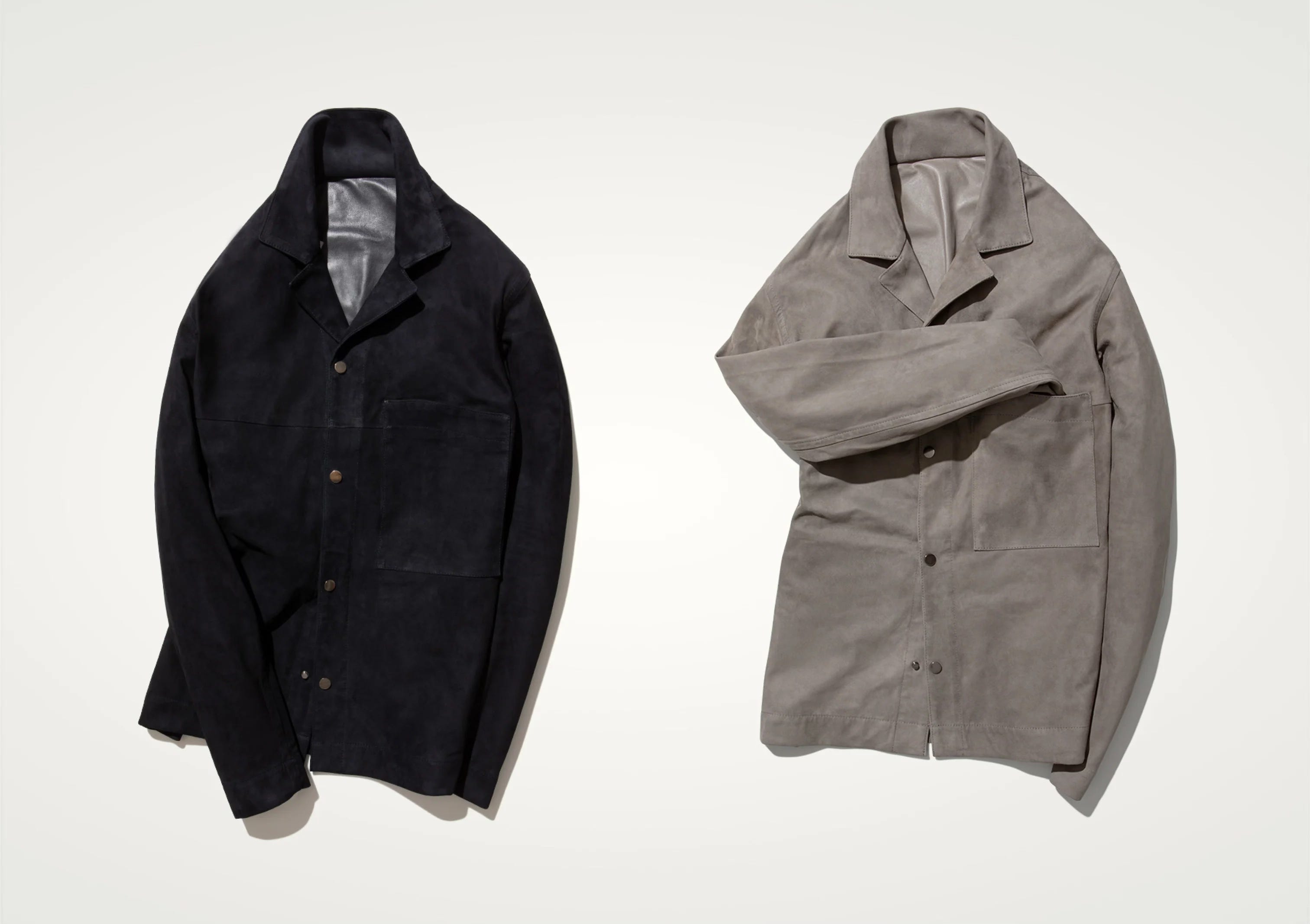
2021: Stòffa introduces the Editions series – limited collaborations and experiments highlighting its craft values. Edition 001 debuts a suede overshirt showcasing material innovation, while later editions explore Indian handloom textiles (Edition 002) and even vintage deadstock sunglasses (Edition 004) curated with Italian artisans. These small-batch drops reinforce the brand’s ethos and keep its most devoted followers engaged.
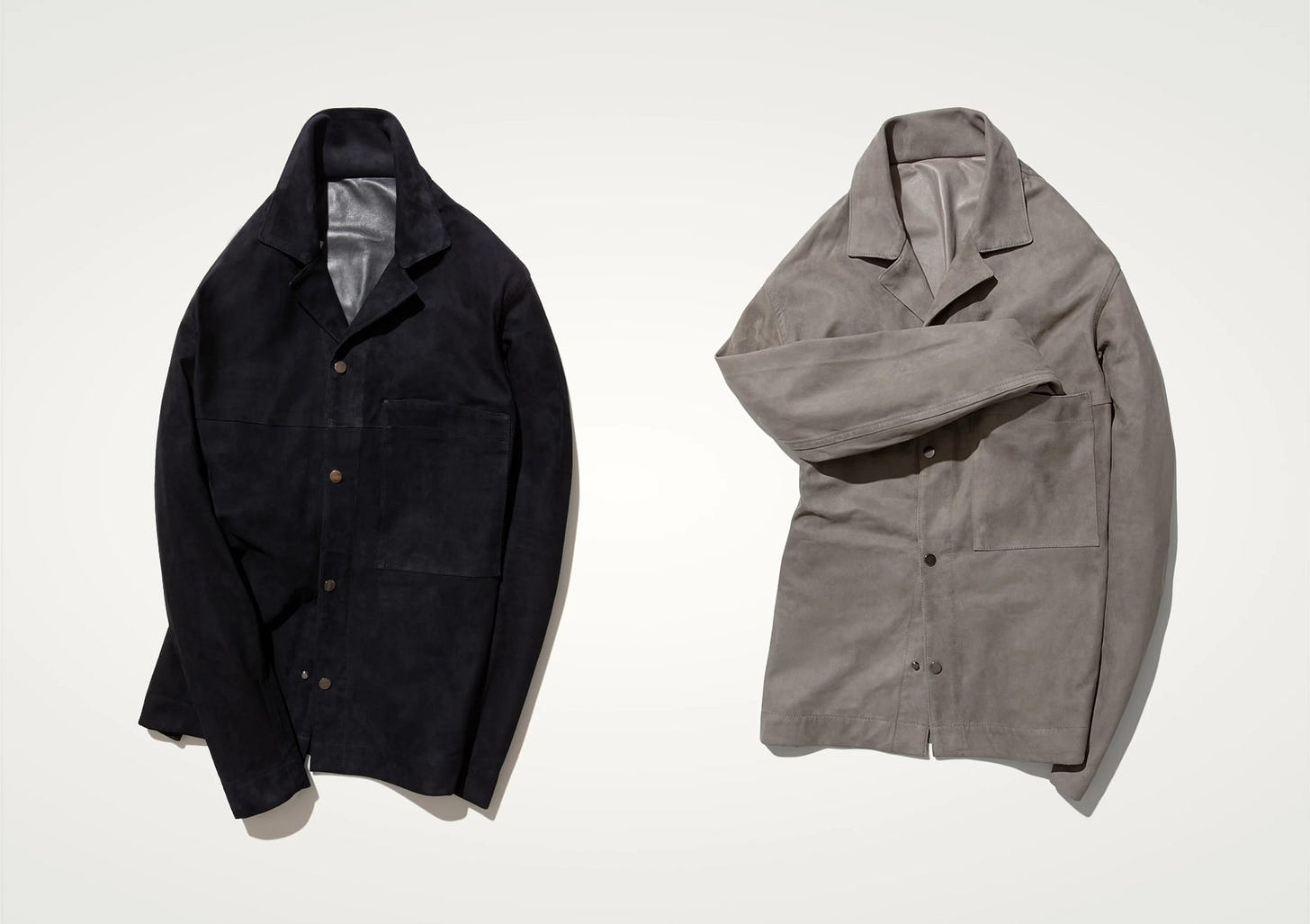
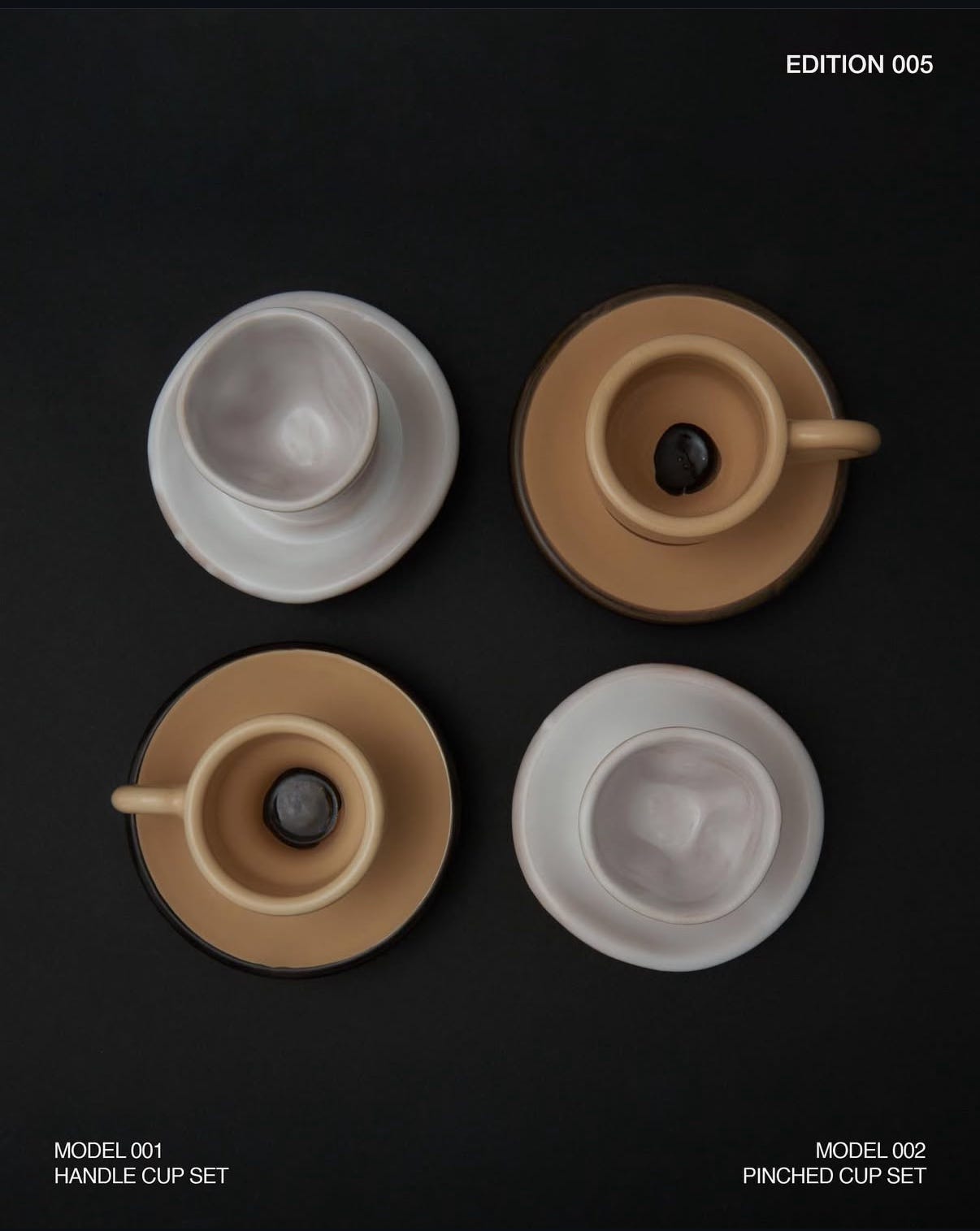
The suede overshirt from Edition 001 | Courtesy of Stòffa 2022: In its “Collection 05,” Stòffa surprises fans by branching into lifestyle items: deadstock 1960s sunglasses and handmade Tuscan ceramics appear alongside its signature clothing. This gives customers a glimpse into the founders’ broader design inspirations. The brand also resumes global trunk shows – a pop-up in London draws eager new clients after a long delay. Meanwhile, Stòffa tentatively enters select retail: Austin boutique ByGeorge carries the line for the first time and immediately amasses a waitlist for $600 trousers and $1,600 shirt-jackets – a level of anticipation their buyer “rarely sees… even for Zegna or Thom Browne”. Stòffa’s cult following is clearly growing.
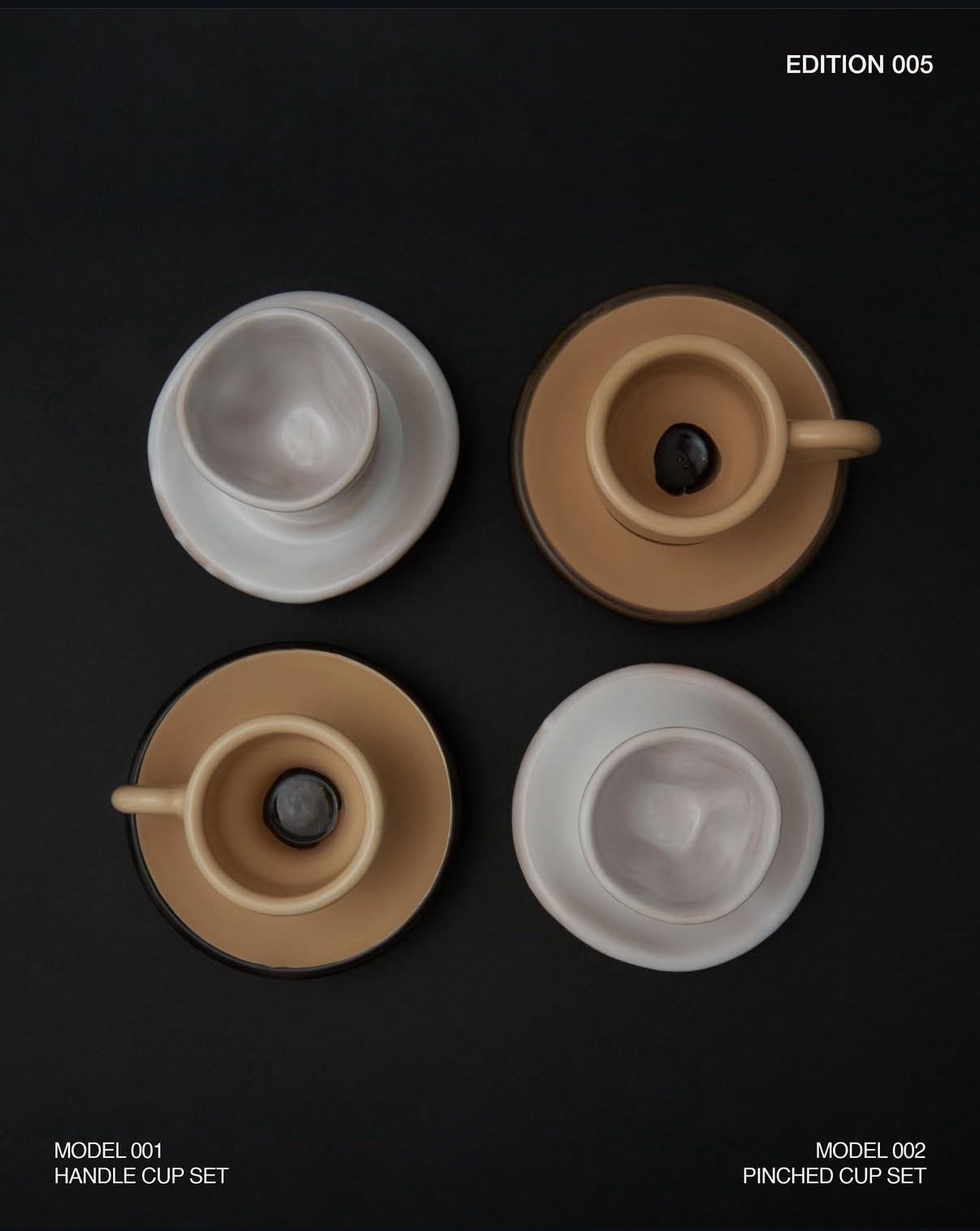
Courtesy of Stòffa 2023: Riding increasing word-of-mouth momentum, Stòffa gains prominent media attention. Esquire profiles the brand’s “new approach to getting dressed” in March, and industry observers note a shift in menswear toward Stòffa’s kind of “sleek, understated ‘stealth wealth’” aesthetic. Behind the scenes, Madan and Ragosta lay groundwork for a brick-and-mortar flagship, aiming to maintain their direct connection with customers while reaching a broader audience.
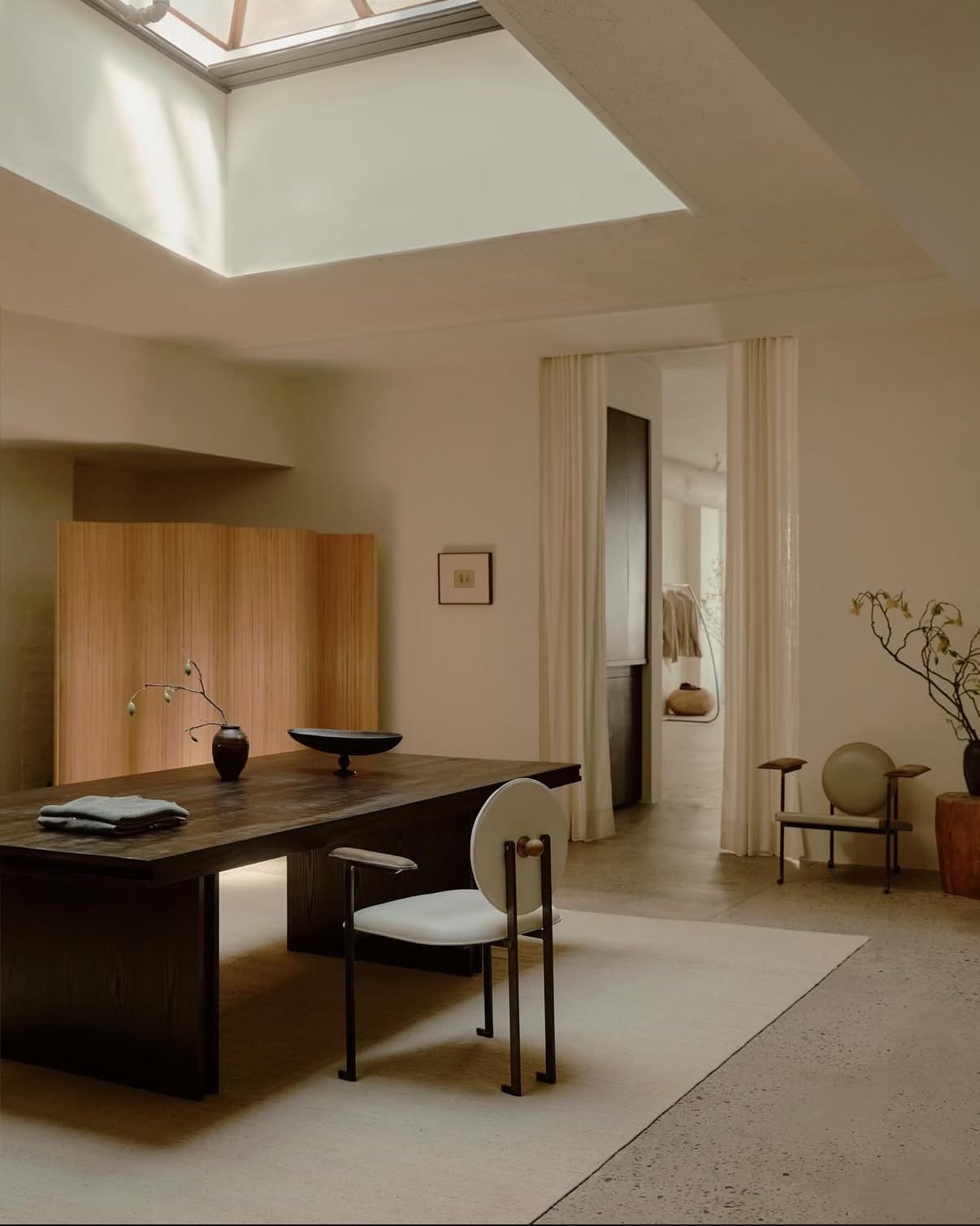
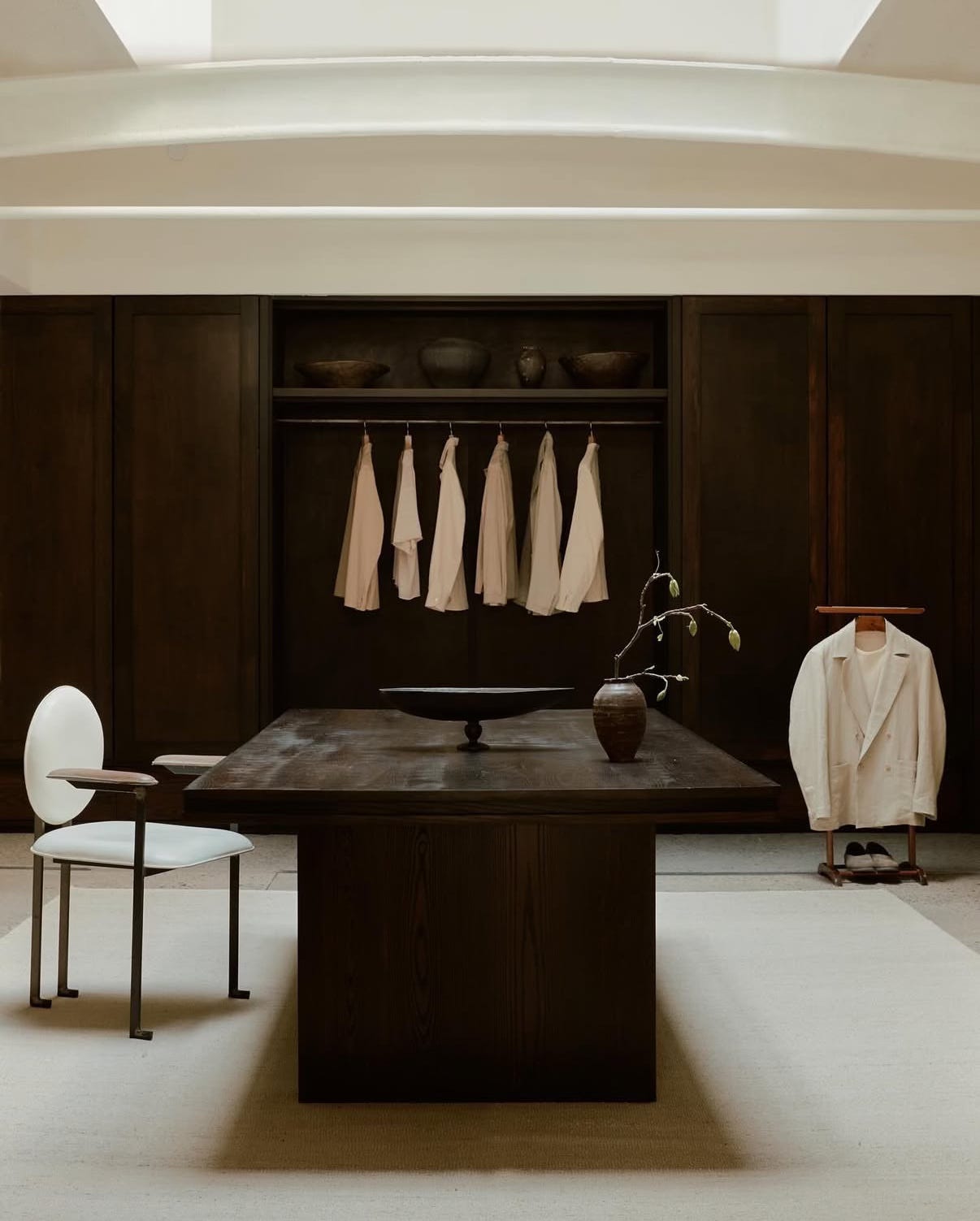
2024: A decade in, Stòffa makes its boldest move yet – opening its first public storefront. In May, a 2,000-square-foot flagship boutique opens on Grand Street in SoHo, NYC, with a curated selection of ready-to-wear up front and a tailoring atelier in back. For the first time, anyone can walk in off the street and discover Stòffa (no appointment needed). Longtime fans celebrate the milestone – GQ declares the serene, earth-toned space “Store of the Year” and notes that it “feels like a true arrival” for the once-hidden brand. Despite adding off-the-rack items, Stòffa keeps custom orders as its core (the founders still conduct about eight hour-long fittings a day in the back room). The flagship’s opening marks a new chapter, blending the intimate service of the past with a subtle step into the retail spotlight.
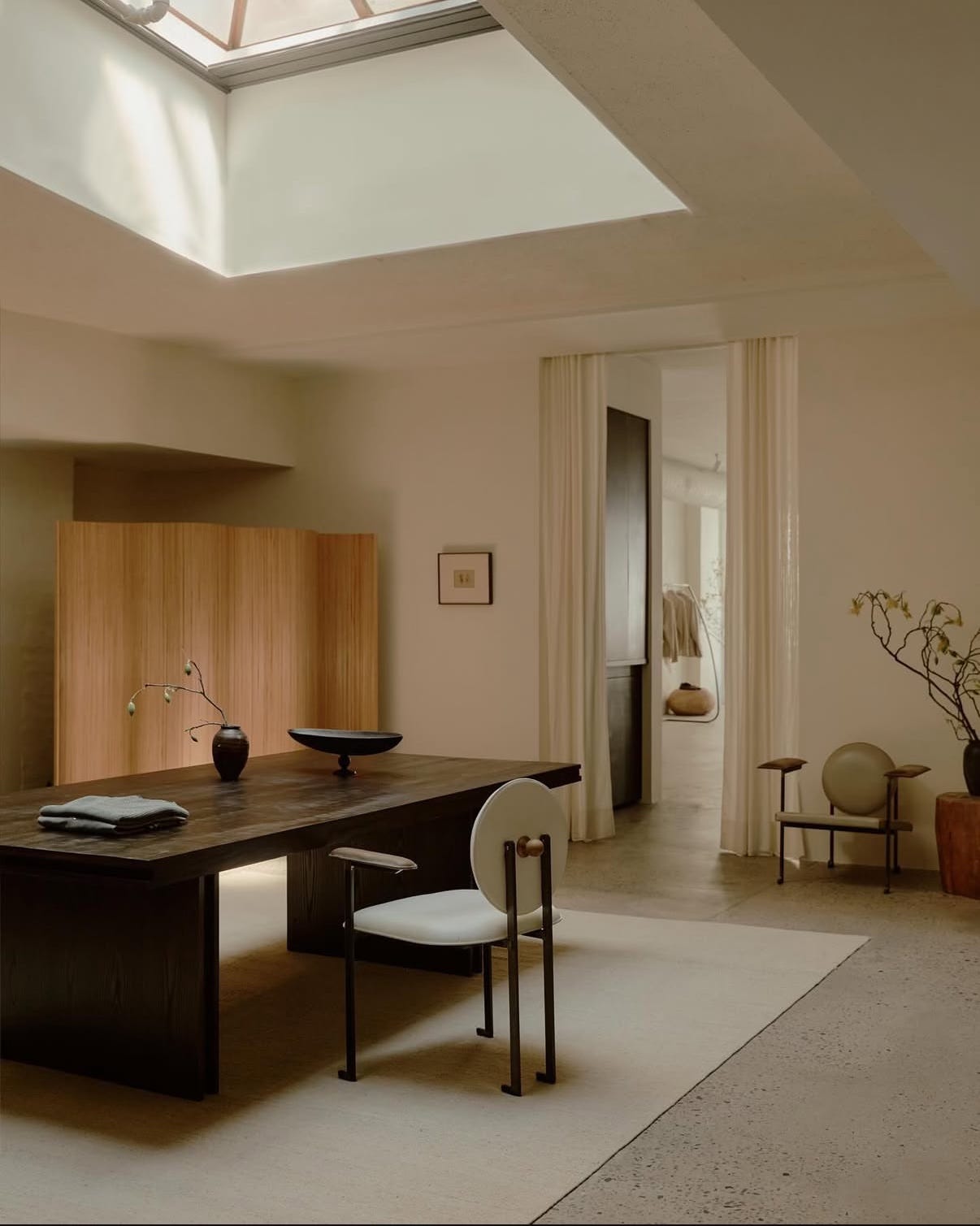
Courtesy of Stòffa 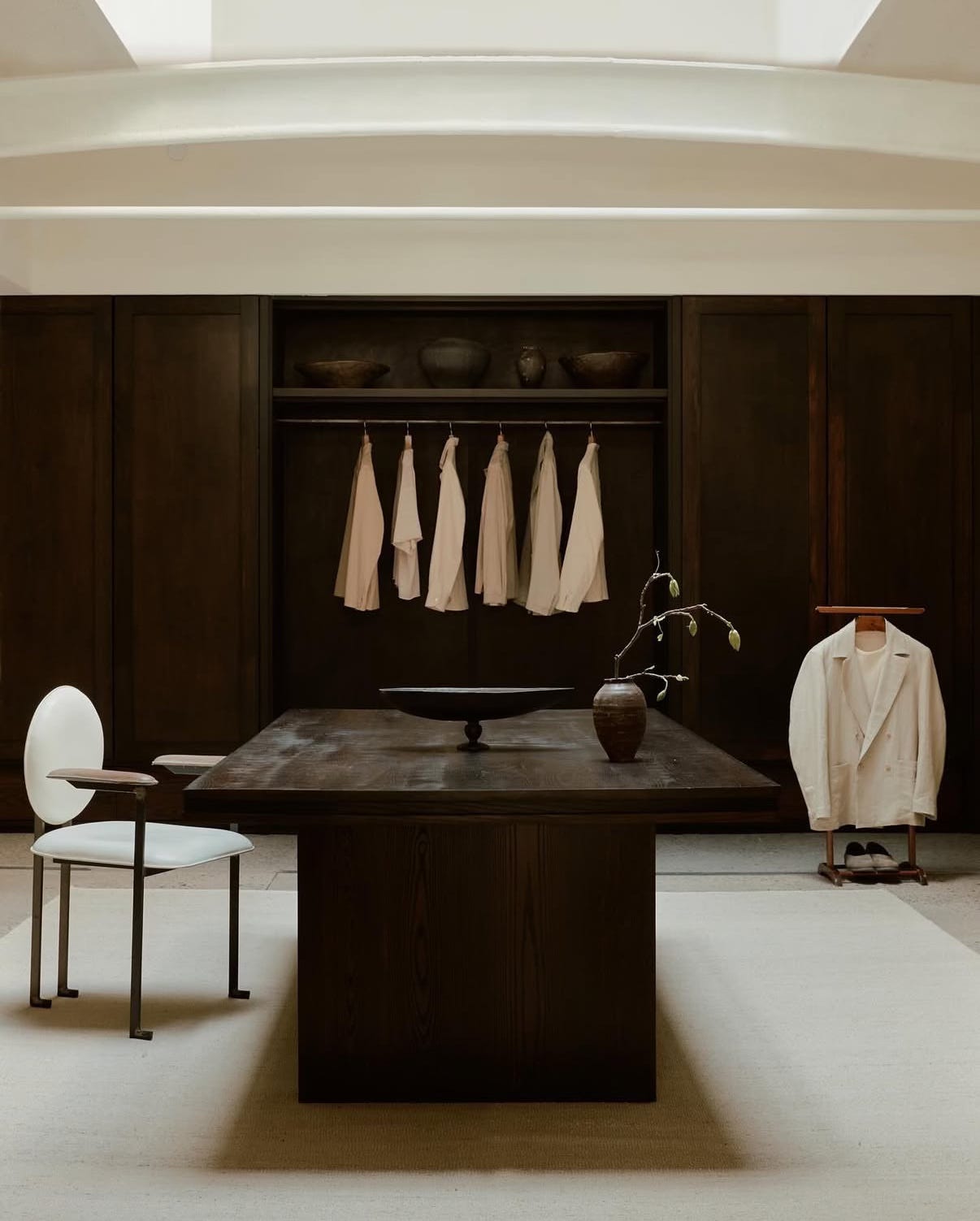
Courtesy of Stòffa

What makes Stòffa Successful
Craftsmanship & Small-Batch Production: From the beginning, Stòffa set itself apart by rejecting mass production in favor of craftsmanship at a human scale. The company works with a network of small Italian workshops, some of which it has even invested in, to produce garments one by one rather than on an assembly line. This single-unit production approach means each piece receives an uncommon level of attention and skill. Early on, outerwear and trousers were crafted by specialist makers, and only when equally skilled partners were found did Stòffa add categories like shirting to its repertoire. The result is a product range that, while limited in quantity, is superb in quality. Durability and longevity are key selling points. Stòffa explicitly aims for sustainability not through buzzwords but by making clothes that last both in construction and in style. Small batch releases (often in the form of numbered Collections or special Editions) sell out briskly, reinforcing a sense of exclusivity. Yet unlike hype-driven streetwear drops, Stòffa’s releases aren’t about fleeting trends – they’re incremental evolutions of timeless staples. This careful pacing has cultivated trust: customers know each new fabric or design has been tested, refined, and “slowly perfected” behind the scenes.
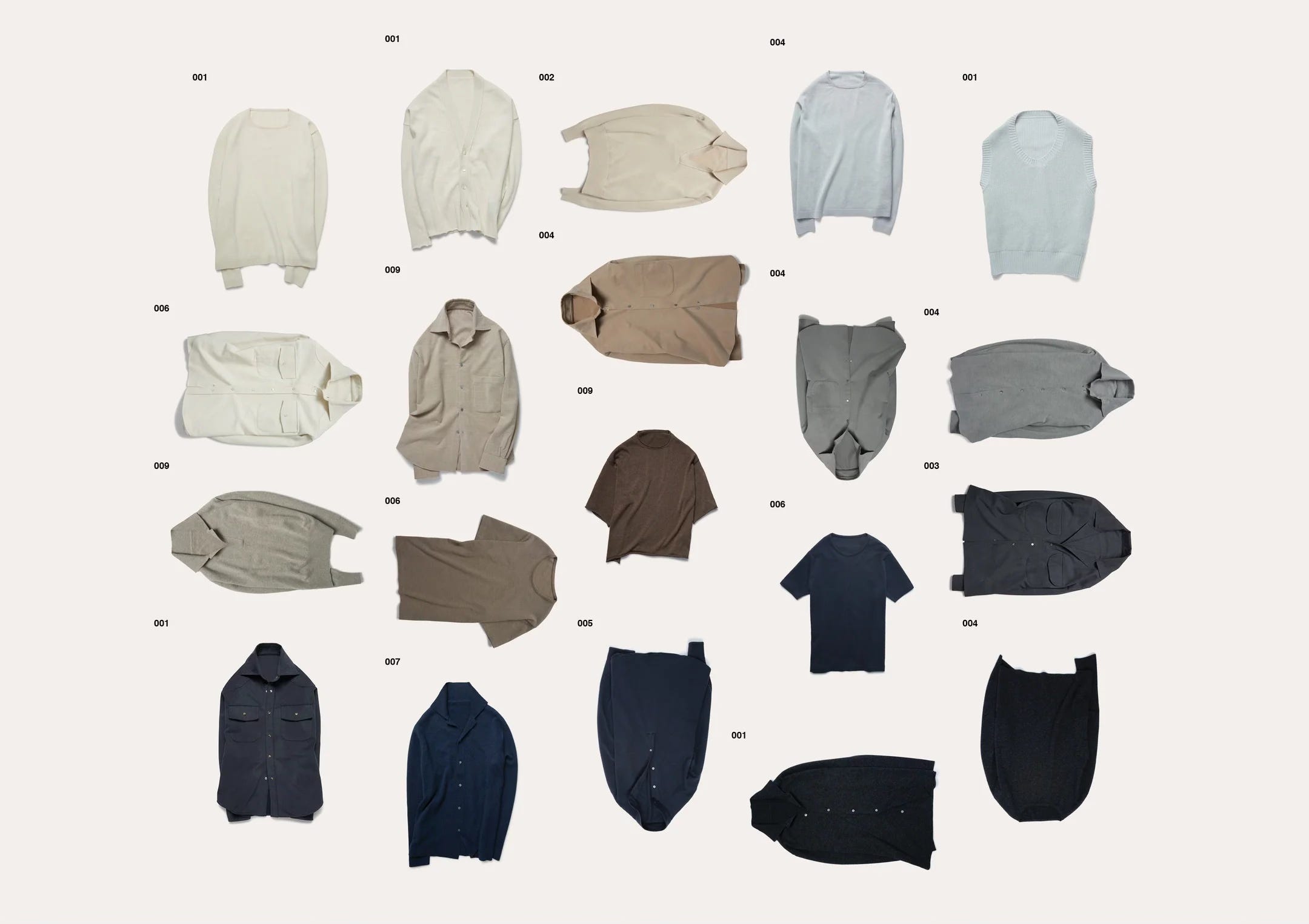
Material Excellence: True to its name, Stòffa puts fabric at the heart of everything. Madan often describes the genesis of a design as starting with an exceptional cloth that inspires form and function. The brand has worked with an array of luxurious, innovative materials – from basketweave cottons and tropical wools to buttery-soft suede and upcycled handwoven textiles. Many of its fabrics are developed in-house or sourced uniquely: for instance, Stòffa has used Italian deadstock wool from the early 2000s and a custom Guatemalan cotton made of pre-consumer waste. Such fabric choices not only set Stòffa’s garments apart in look and feel, but also underscore a commitment to reducing waste. The company’s Editions collaborations further highlight this materials-first philosophy. Whether it’s partnering with an Indian atelier to natural-dye bandanas, or working with a century-old Italian manufacturer to resurrect vintage sunglasses, Stòffa treats materials and the craftspeople behind them with almost reverential focus.
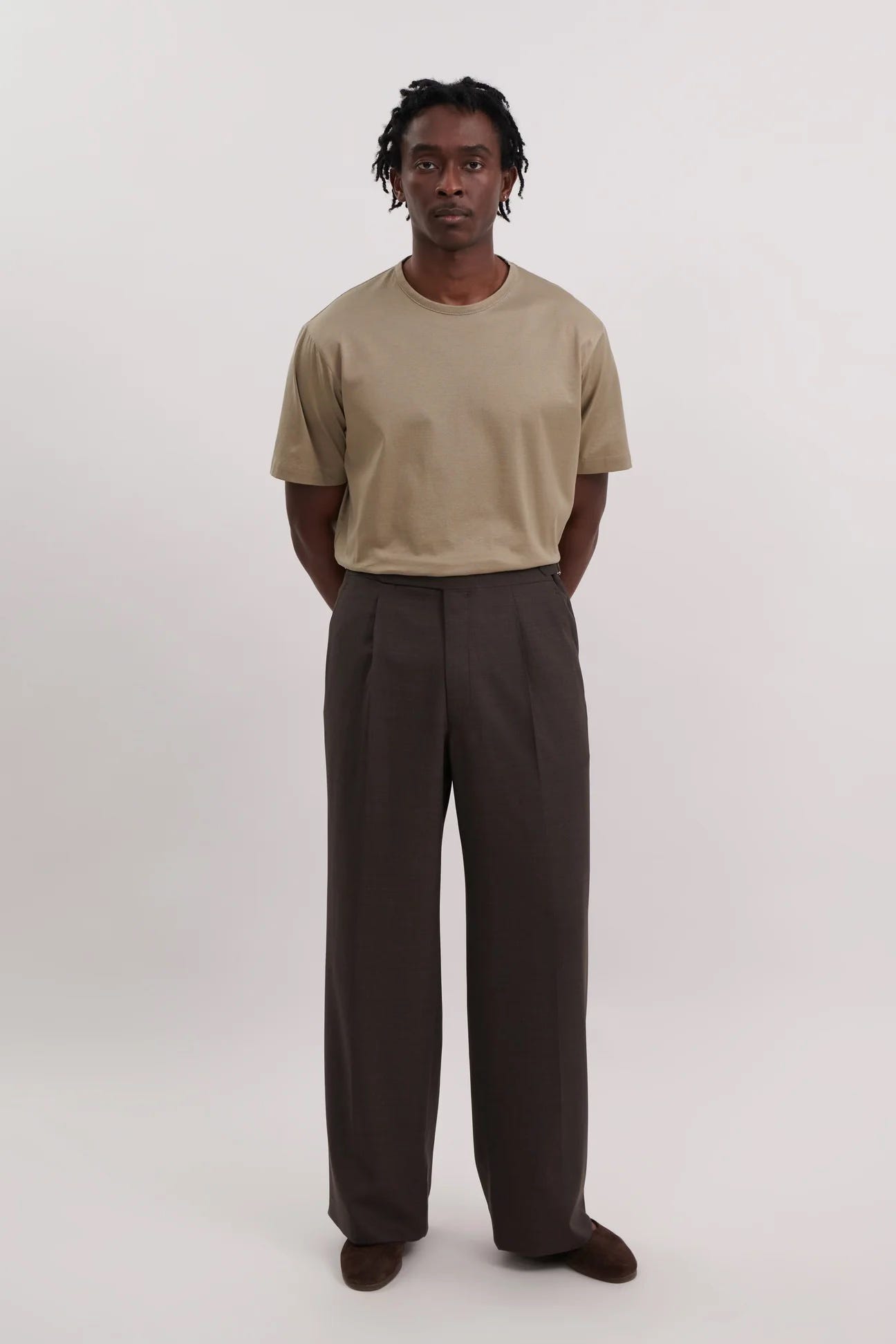
Design & Aesthetic: All the slow craftsmanship in the world wouldn’t matter if the clothes themselves didn’t resonate. Fortunately, Stòffa’s design language hits a sweet spot: modern yet timeless, minimalistic but not monotonous. Stòffa specializes in the foundational pieces of a man’s wardrobe – think unstructured sport coats, easy trousers, clean popovers and shirts – and “whittles them down” to their essence. The design ethos is about subtracting the unnecessary. A Stòffa summer jacket, for example, comes unlined and nearly weightless, delivering tailoring polish without stuffiness. Their trousers sit higher on the waist with a relaxed drape and pleats, nodding to classic 20th-century style yet feeling perfectly at home today. Stòffa delivers that elusive quiet luxury vibe – elegant clothes that don’t scream for attention, but exude character upon closer inspection. This aesthetic has proved prescient. Fashion-forward customers who might have splurged on ultra-high-end labels like The Row have discovered that Stòffa offers a similarly sophisticated look at a somewhat more accessible (if still premium) price point. And crucially, the designs transcend trend cycles – a Stòffa coat or pair of trousers looks just as relevant years later, fulfilling the brand’s promise of modern classics. This design consistency has encouraged repeat purchases: many clients build a virtual uniform out of Stòffa pieces in different fabrics.
Customization & Customer Experience: Perhaps the most powerful ingredient in Stòffa’s formula is the personal connection it forges with its clientele. From day one, Madan and Ragosta rejected the anonymous retail model and instead embraced a salon-style approach. By selling direct-to-consumer through trunk shows and appointments, they turned shopping for clothing into an intimate, almost bespoke experience. Clients aren’t just picking something off a rack – they’re choosing a fabric, tweaking a fit, and often waiting weeks for a piece made specifically for them. This process requires patience, but it dramatically deepens the customer’s bond with the product. Stòffa has cultivated what can only be described as devotion among its clients. One client told GQ how he initially ordered a field jacket for his honeymoon; a decade later he owns around 30 Stòffa pieces and plans to pass them down to his newborn son someday. That sense of personal pride and attachment is not something off-the-rack brands can easily replicate. It translates to remarkable customer retention and word-of-mouth enthusiasm. Stòffa’s growth has largely been powered by returning clients and their referrals, an organic fanbase built on satisfaction and trust.
Community & Culture: Equally important, Stòffa has nurtured a genuine community around its brand. The founders and team members often form friendships with their clients; appointments can turn into hours-long conversations about life and style. One stylist, initially a customer, recalled booking what he thought would be a quick fitting and instead “left four hours later, with some clothes ordered, a job, and some new friends”. He fell in love with“how slow and intentional they are” and ended up joining the company. Stòffa even blurs the line between customer and muse – they famously eschew professional models in favor of “protagonists” for their lookbooks. These are often real clients or friends of the brand (professors, surfers, artists, even Madan’s own father), chosen to showcase the clothes in an authentic way. This approach makes the brand image relatable and aspirational in an attainable manner: stylish real people living fulfilling lives in Stòffa clothing. On style forums and social media, discussions about Stòffa often highlight this authenticity. The label has been dubbed an “if you know, you know” gem among menswear insiders – not a hyped fashion-house, but a brand one discovers and then sticks with. That insider status, paradoxically, has become one of Stòffa’s best marketing assets. In an era of impersonal algorithm-driven shopping, Stòffa’s high-touch, human-centric approach feels refreshing.
What’s Next for Stòffa (A Delicate Balancing Act)
Stòffa stands at a critical juncture: how to evolve without eroding the very DNA that made it beloved. Its success has come not from chasing scale, but from resisting it—rejecting wholesale, dodging fashion weeks, and building a brand patiently, one trunk show and one conversation at a time. But the next chapter will test just how scalable a philosophy of slowness really is.
The newly opened SoHo flagship—a serene, earth-toned temple to intentional retail—marks a new ambition: broader reach, increased accessibility, and a more public face. So far, the expansion feels authentic. By owning every touchpoint (from in-store playlists to the coffee served at fittings), Stòffa preserves a kind of microclimate where brand integrity thrives. But the paradox is clear: with visibility comes pressure. How long can a boutique feel like a private salon once foot traffic becomes footfall? How many new clients can the founders personally fit each day before intimacy becomes inefficiency?
Stòffa’s direct-to-consumer model has long been a moat, allowing control over pricing, narrative, and customer experience. But even moats can flood. Growth brings new operational strains—logistics, hiring, supply chain scale—that threaten to dilute the artisan touch. Made-to-order sounds beautiful until you're managing hundreds of parallel production timelines across continents.
Product line expansion is a logical next step. Madan and Ragosta have hinted at building something Loro Piana–adjacent, a quiet luxury house that spans categories and decades. But ambition must be met with discipline. One misstep—an ill-considered accessories line, or a rush into womenswear without the same painstaking development—could chip away at the trust they've so carefully cultivated. The brand’s minimalist aesthetic walks a fine line between essential and repetitive; over-extension risks monotony just as much as dilution.
Geographic expansion also comes with risk. Trunk shows in Paris, Tokyo, or Seoul could attract loyalists—but also risk overexposure. The charm of “if you know, you know” marketing lies in its scarcity. Too many “private” fittings in too many cities, and the magic may start to feel franchised.
And yet, the opportunity is undeniable. Stòffa has something that can’t be reverse-engineered: trust. Its clients don’t just wear the clothes—they evangelize them. Its founders don’t just manage a brand—they embody it. If Stòffa can preserve that intimacy while scaling its infrastructure, it could become a true modern legacy brand—not just another menswear darling with a hot two-year run.
Stòffa is a company built on patience – both theirs and their customers’ – and that patience is a competitive advantage in an industry often obsessed with instant results. Going forward, Stòffa’s success will be measured not just in revenue or store count, but in legacy. Are they on track to become that heritage brand for the next generation? The signs are promising. Stòffa has tapped into a post-hype consumer mindset that values authenticity, longevity, and quiet quality. As long as they continue to deliver on those values – maintaining tight quality control even as volume grows, keeping the customer experience personal even as the clientele expands – the brand’s future looks bright. In an era when many labels pivot frantically or chase the trend of the moment, Stòffa’s consistency is its own kind of innovation. The coming years may see the company carefully scaling up, but one can bet it will still be taking it slow– and in doing so, writing a playbook for sustainable success in modern menswear.
Good read! 💆🏼♀️